Embracing the Process of Spiritual Progression
Spiritual growth is often perceived as a destination, a milestone to be reached and celebrated. However, it is crucial to recognize that this journey is continuous, marked by moments of struggle and transformation, where grace plays a fundamental role. Each individual’s path towards spiritual maturity unfolds uniquely, characterized by personal experiences, challenges, and the divine support they encounter along the way. In this journey, grace serves as both a guide and a source of encouragement, reminding believers that they are not alone in their progression.
One powerful aspect of spiritual growth is the ability to find solace in the struggles encountered. Many individuals often face periods of doubt, fear, or confusion as they navigate their faith. These hurdles are not signs of failure but rather authentic components of a profound journey. Testimonies from believers frequently highlight how moments of hardship catalyze deepened connections with God, leading them to seek comfort and wisdom in prayer and scripture. These experiences affirm that each struggle carries the potential for personal development, enabling individuals to cultivate resilience and faith.
Relatable scenarios are abundant in faith communities where believers share their narratives of spiritual progression. For instance, someone may recount a time when they felt distant from their faith but ultimately found renewal through acts of service or community involvement. Such stories resonate with many, showcasing that spiritual growth is not linear but rather a series of ebbing and flowing experiences. By embracing these moments, individuals foster environments rich with understanding and support, crucial for nurturing their relationships with God. In acknowledging the process of spiritual progression, we create a collective culture that encourages compassion, reflection, and shared growth, allowing everyone to feel affirmed on their unique paths of faith.
Community and Connection in Faith
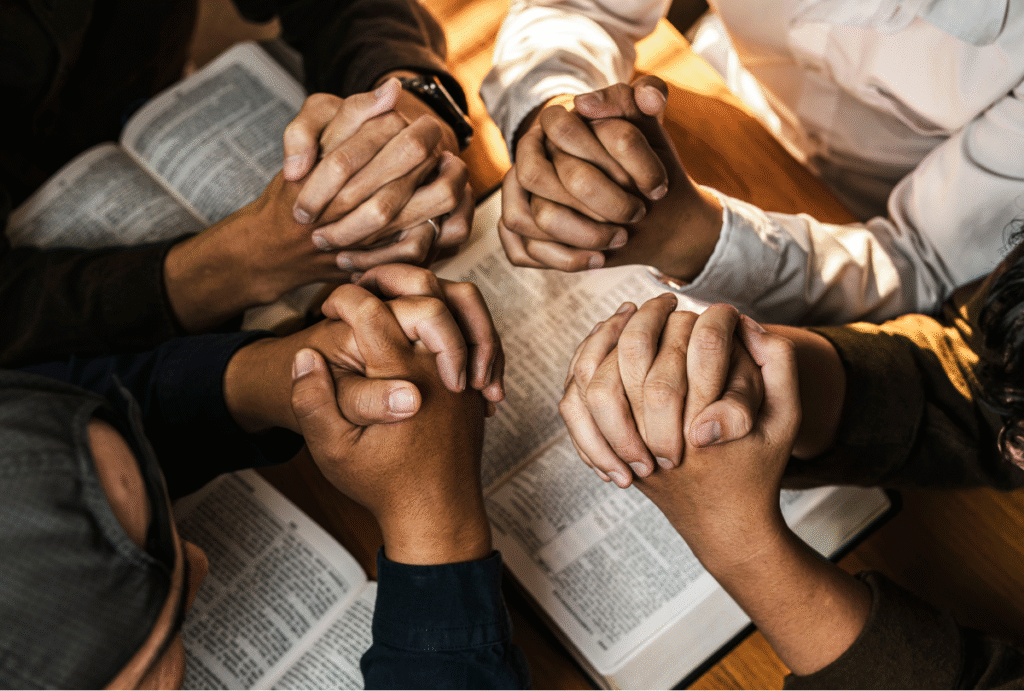
Faith is often described as a personal journey; however, the role of community cannot be overstated. Engaging with a community of like-minded individuals who share similar beliefs enhances not only individual experiences of redemption but also fosters collective spiritual growth. When individuals come together in faith, they create an environment conducive to mutual support, encouragement, and accountability. This sense of belonging is vital as it allows believers to navigate the inevitable challenges of life together, drawing strength from one another as they seek to grow closer to God.
Being part of a faith community offers unique opportunities to deepen spiritual roots. Churches and worship groups provide spaces where individuals can openly share their spiritual insights and struggles, fostering an atmosphere of acceptance and understanding. These environments promote the sharing of experiences, allowing members to witness firsthand the transformative power of faith in the lives of others. Moreover, communal gatherings—whether in the setting of a church service, prayer group, or bible study—serve as platforms for collective worship and reflection, enhancing individual connections to God through shared practices.
Practical ways to engage with a faith community include participating in volunteer opportunities, joining small study groups, or attending church-related events. These activities not only strengthen bonds among members but also create avenues for accountability in the pursuit of spiritual goals. Engaging with others who share a commitment to faith often leads to meaningful conversations that empower individuals to uphold their beliefs and encourage them in times of doubt. As the community grows, so do the shared experiences that cultivate a deeper understanding of grace, illustrating how intertwined our journeys of faith can be.